Enterprise UX · Oil & Gas Logistics · 0→1 Platform · Internal Operations

0→1 logistics control platform for high-stakes operations

Reksoft was a greenfield enterprise platform for logistics control and supply chain monitoring in the oil & gas industry. The work started without an existing product — only fragmented manual workflows, disconnected systems, and document-heavy processes. The challenge was to design a centralized platform that could improve visibility, traceability, and operational speed in a high-risk environment.

−45%
Report preparation time
−37%
Operational errors
−52%
Time to locate critical documents
800+
Active internal users
Role
Senior Product Designer
Domain
Oil & Gas Logistics
Platform
Internal ERP / Web platform
Team
PM, engineers, analysts, QA
Scope
0→1 product design, UX strategy, workflow architecture, design system
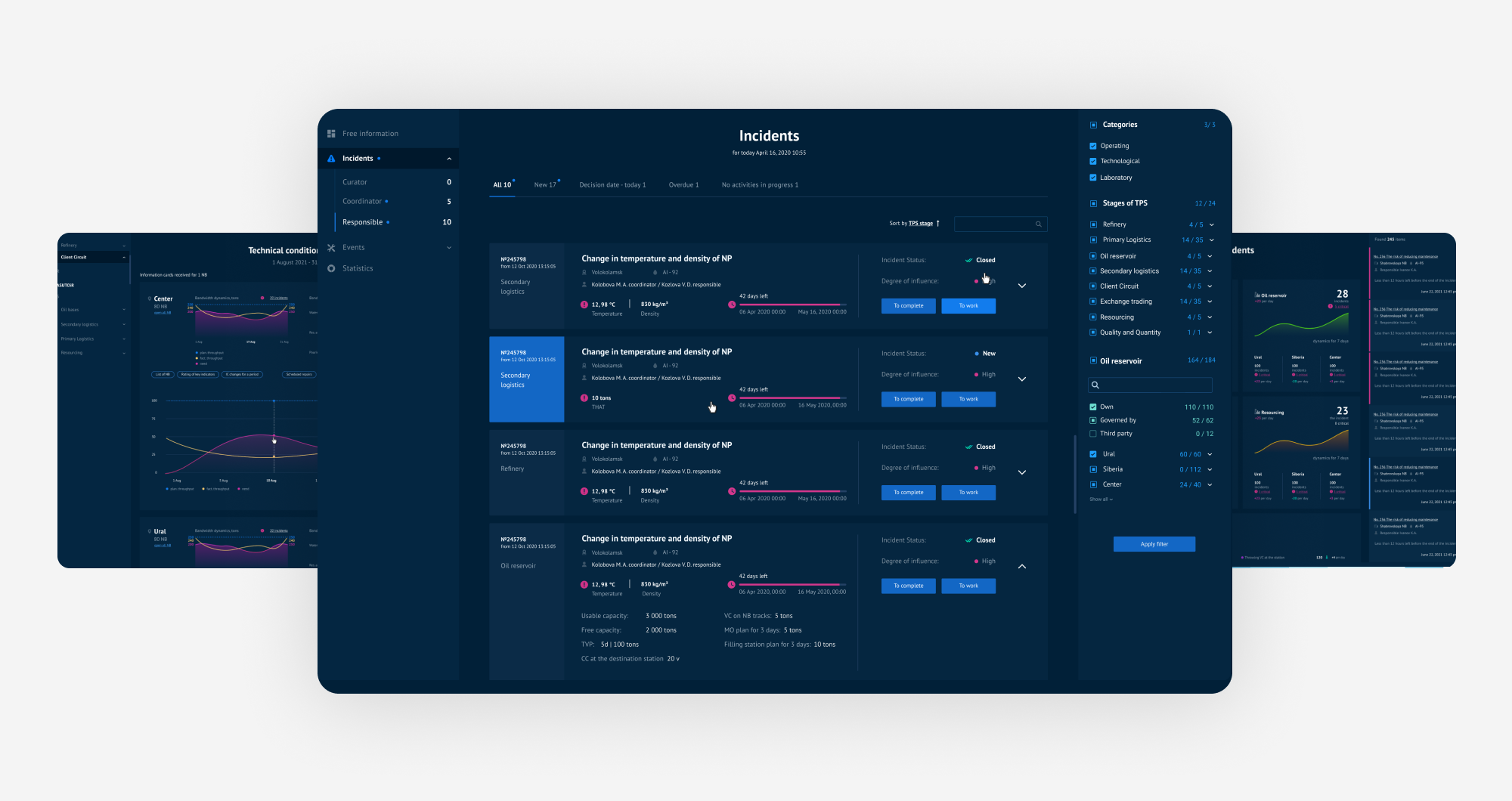
Reksoft logistics platform

Product Context

Built for operations where delays and errors are costly

Reksoft supported logistics operators, coordinators, managers, and executives working across document flows, shipment tracking, reporting, and operational exceptions. Unlike consumer or growth products, this system had to reflect real operational processes — not idealized workflows.

Users needed reliable visibility into where shipments stood, which documents were pending, and which processes required action. In high-risk logistics environments, missing records, unclear status, and delayed reporting have direct operational consequences.

Reksoft product context

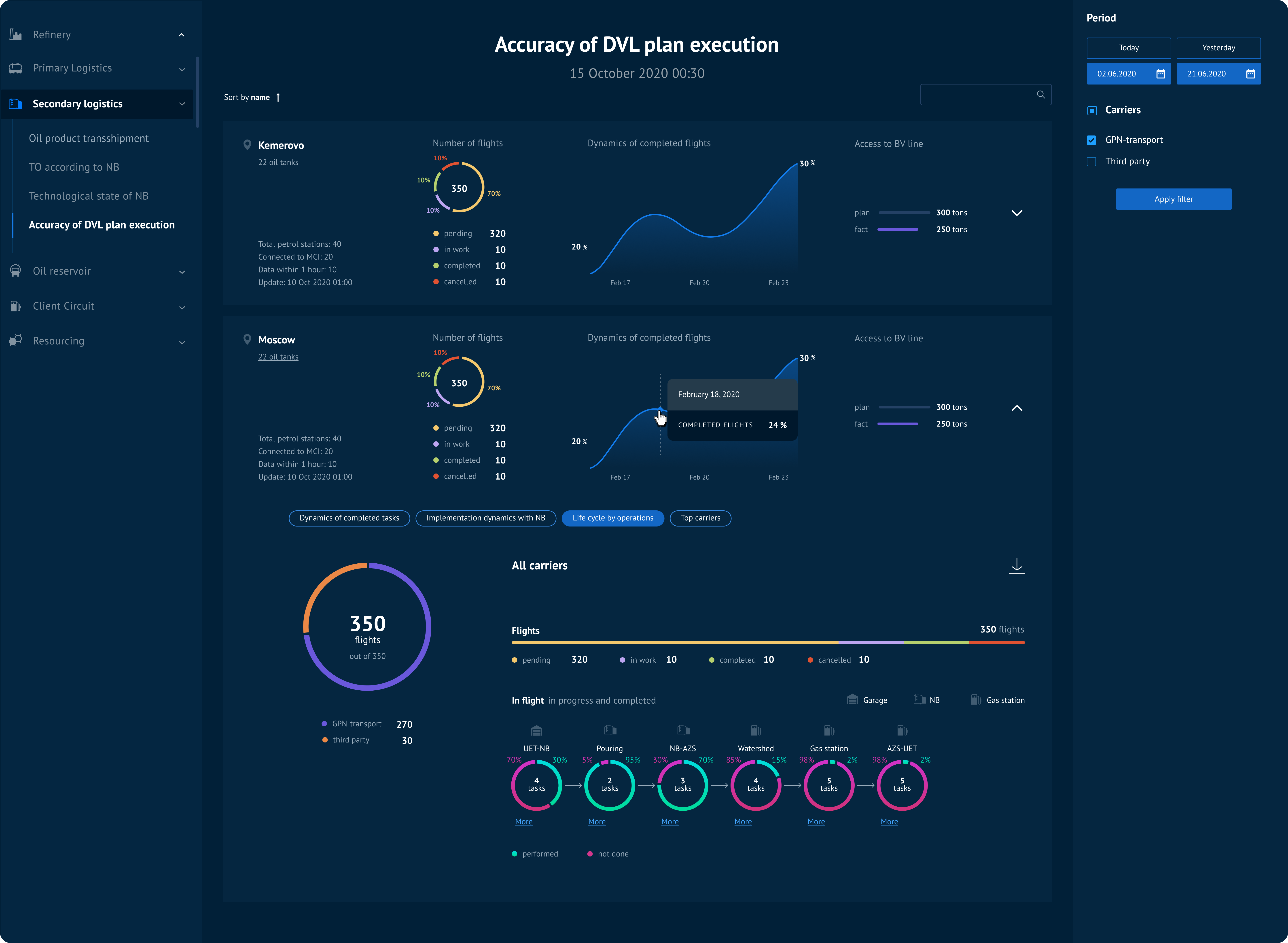
The platform needed to connect documents, shipments, statuses, and operational events into one reliable working environment.


Product Screens

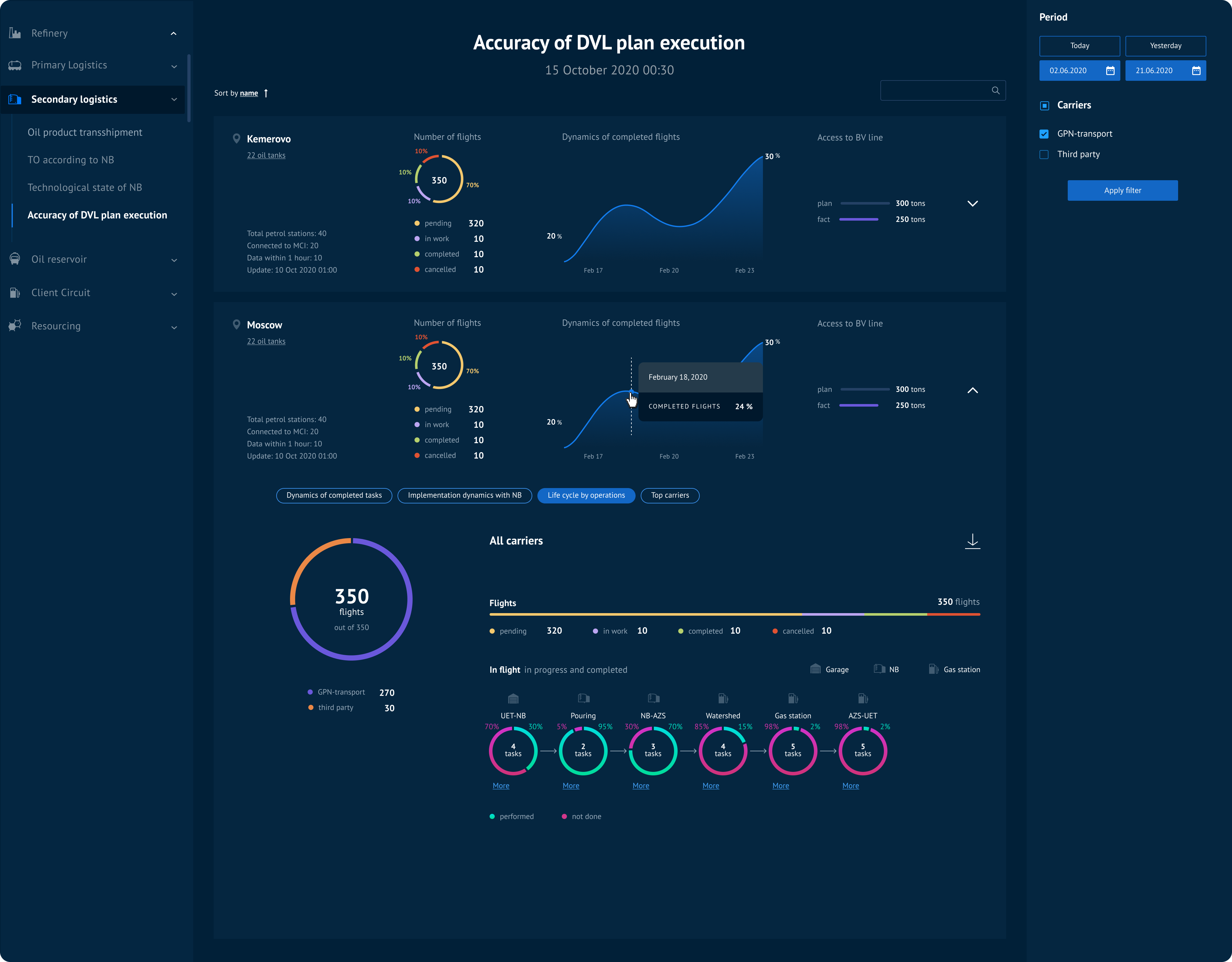
Core product overview


The Challenge

Operations were moving faster than the tools supporting them

Logistics teams were coordinating complex workflows through fragmented tools, manual records, spreadsheets, and informal communication. Critical information was difficult to locate, document statuses were not always clear, and teams had limited end-to-end visibility across operational processes.

Key issues

Fragmented workflows
Users had to switch between tools and manually reconcile information across documents, shipments, and status updates.
Low process visibility
Managers and operators lacked a shared real-time view of logistics progress, bottlenecks, and risks.
Document-heavy operations
Critical documents moved through complex lifecycles without a clear digital structure or reliable traceability.
High operational risk
Manual coordination increased the risk of missing records, delays, duplicate work, and human errors.

Problems

Slow document retrieval
Users spent too much time locating the right document, version, or operational record across disconnected systems.
Manual reporting effort
Reports required manual aggregation across teams, tools, and communication channels — a time-consuming and error-prone process.
Dependency on individuals
Critical process knowledge lived in people's heads instead of a shared system, creating bottlenecks and operational risk.
Before Reksoft platform

Before the platform, logistics coordination depended on fragmented systems, manual records, and informal knowledge.


Design Focus

Turn fragmented operations into a structured working system

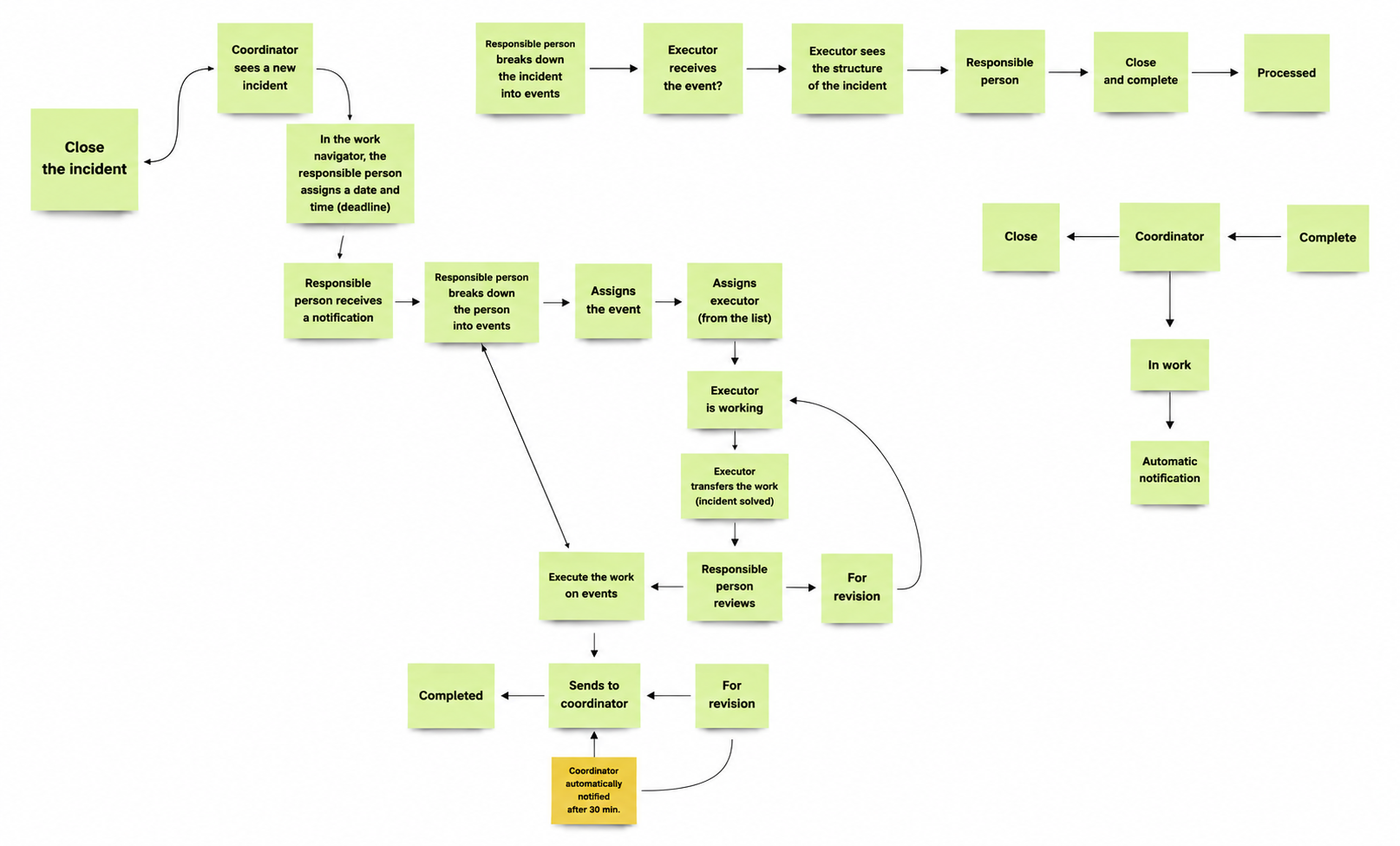
The design strategy was to reconstruct real workflows before designing screens. The platform had to support how logistics work actually happened — document lifecycle, approvals, shipment tracking, exceptions, reporting, and role-specific decisions.

Mapping real operational workflows

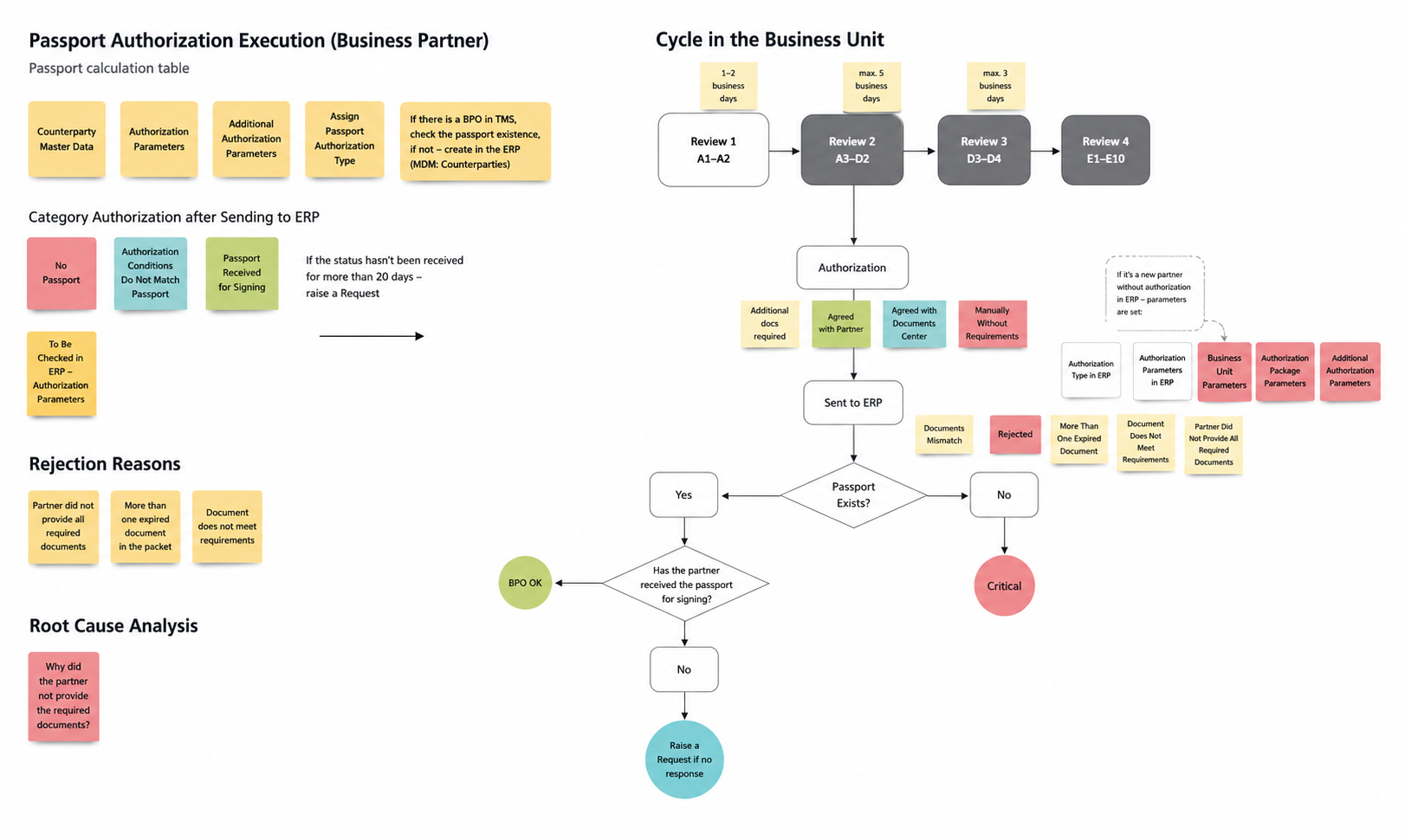
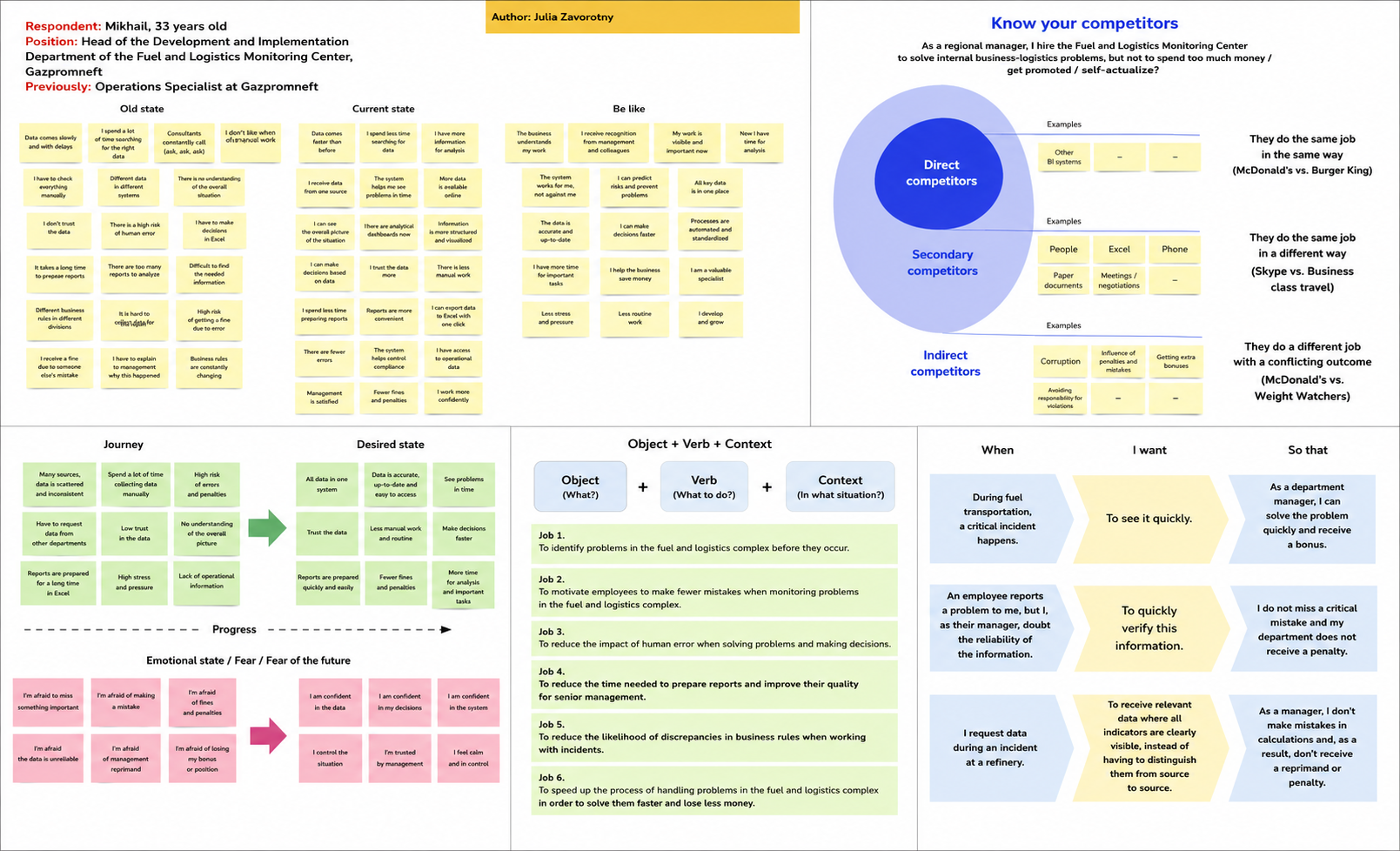
Because no product existed, I started by understanding how logistics work happened in practice: interviews, field observations, workflow mapping, and analysis of manual workarounds. This helped separate formal process descriptions from the actual steps users followed every day — and identify where gaps, duplications, and risk points lived.

Workflow mapping

Workflow mapping helped translate fragmented field processes into a clear product structure.

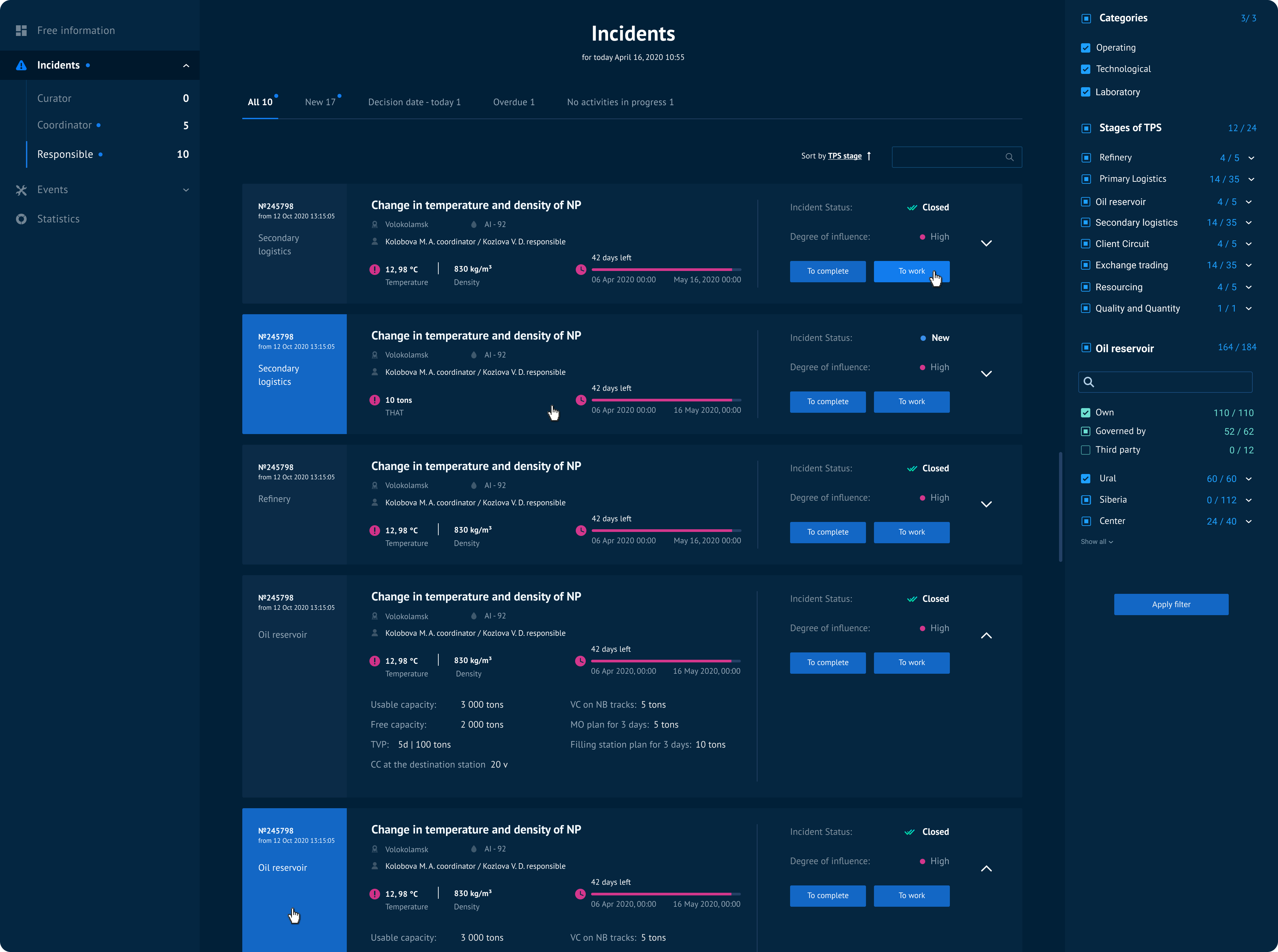
Designing a digital document lifecycle

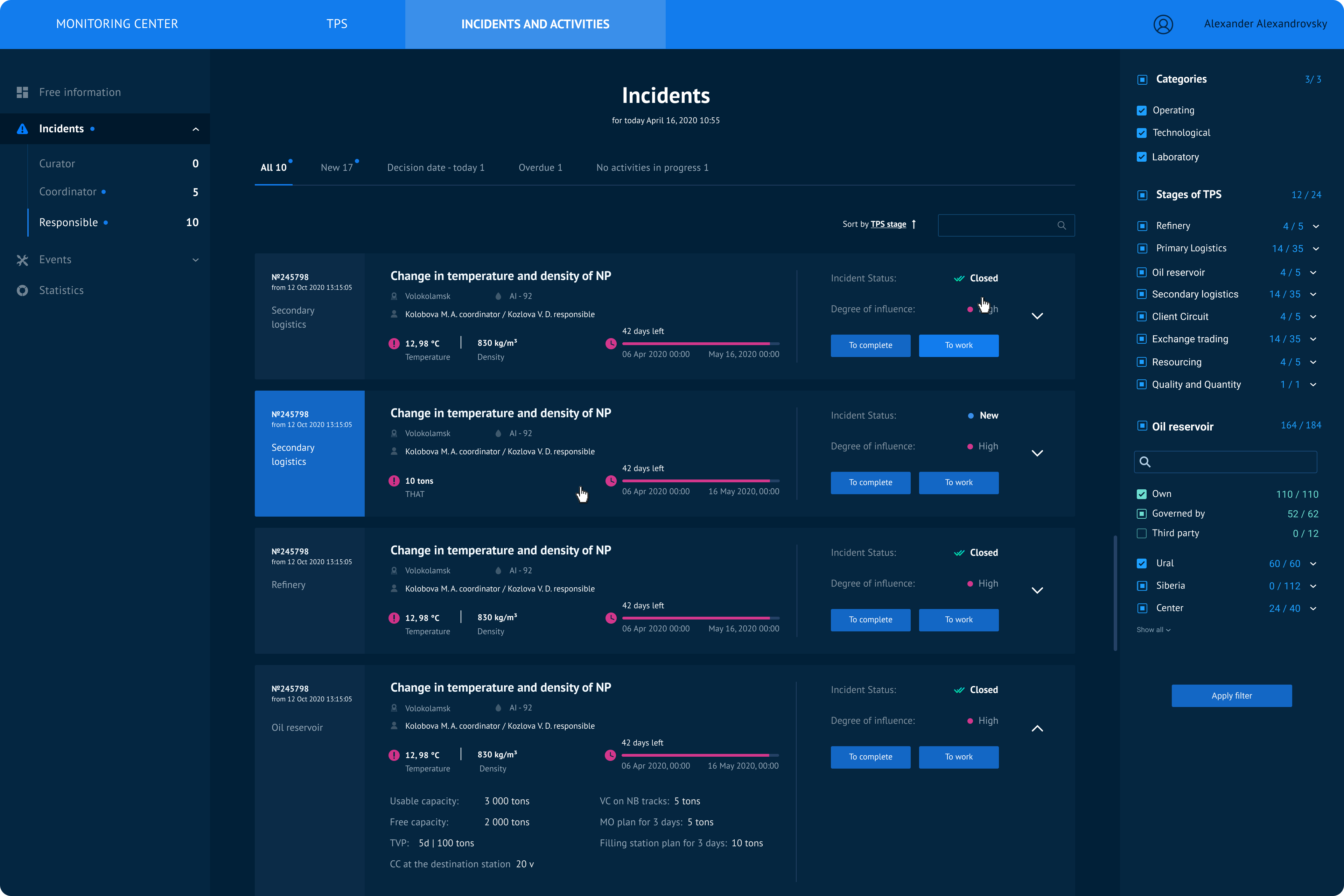
Documents were central to logistics operations, but their status, ownership, and history were difficult to track. I designed flows that made document creation, approval, execution, and retrieval more structured and traceable — giving each document a clear state, owner, and next step across the system.

Document lifecycle design

A structured document lifecycle reduced ambiguity around status, ownership, and next steps.

Building control tower visibility

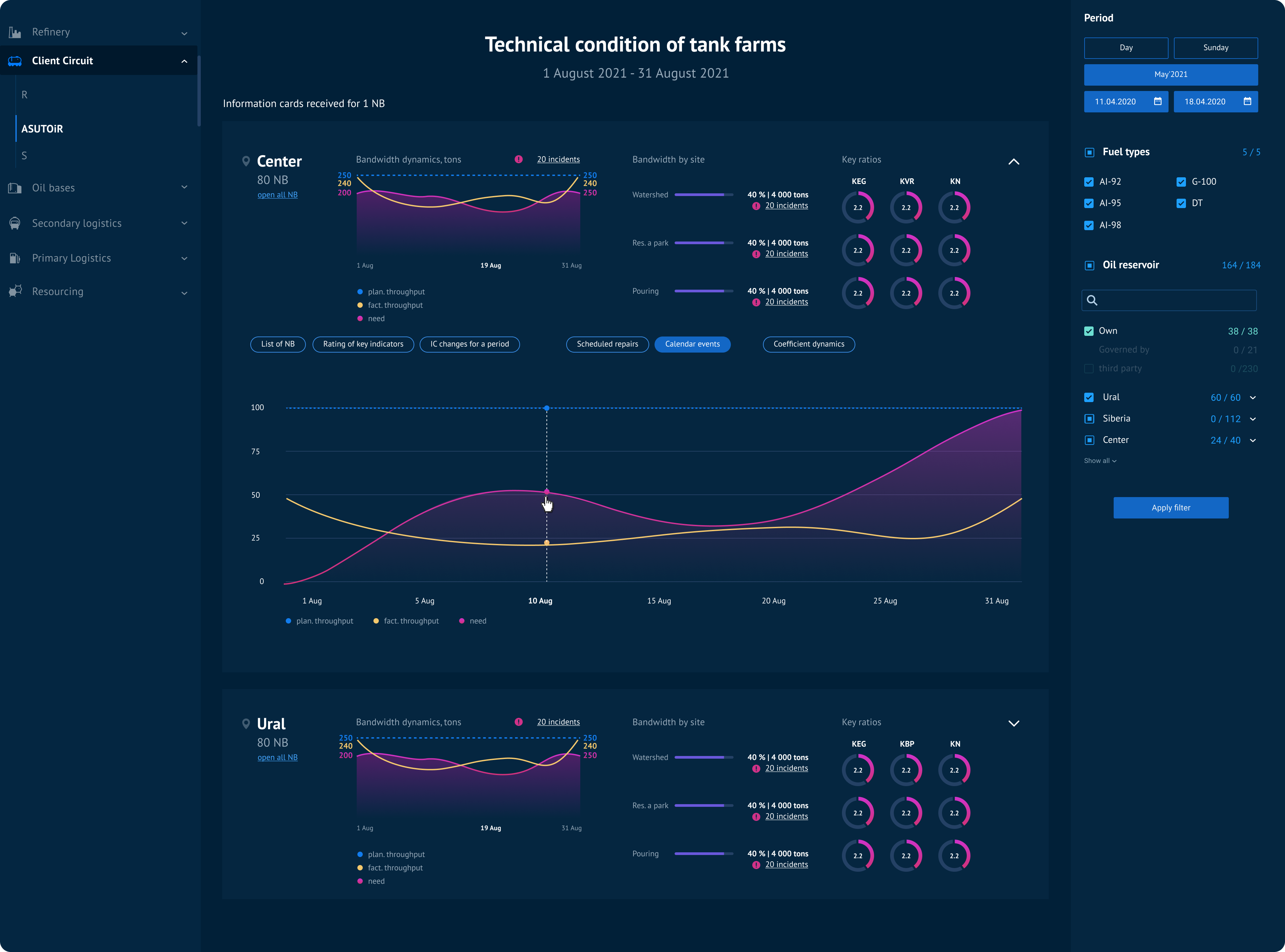
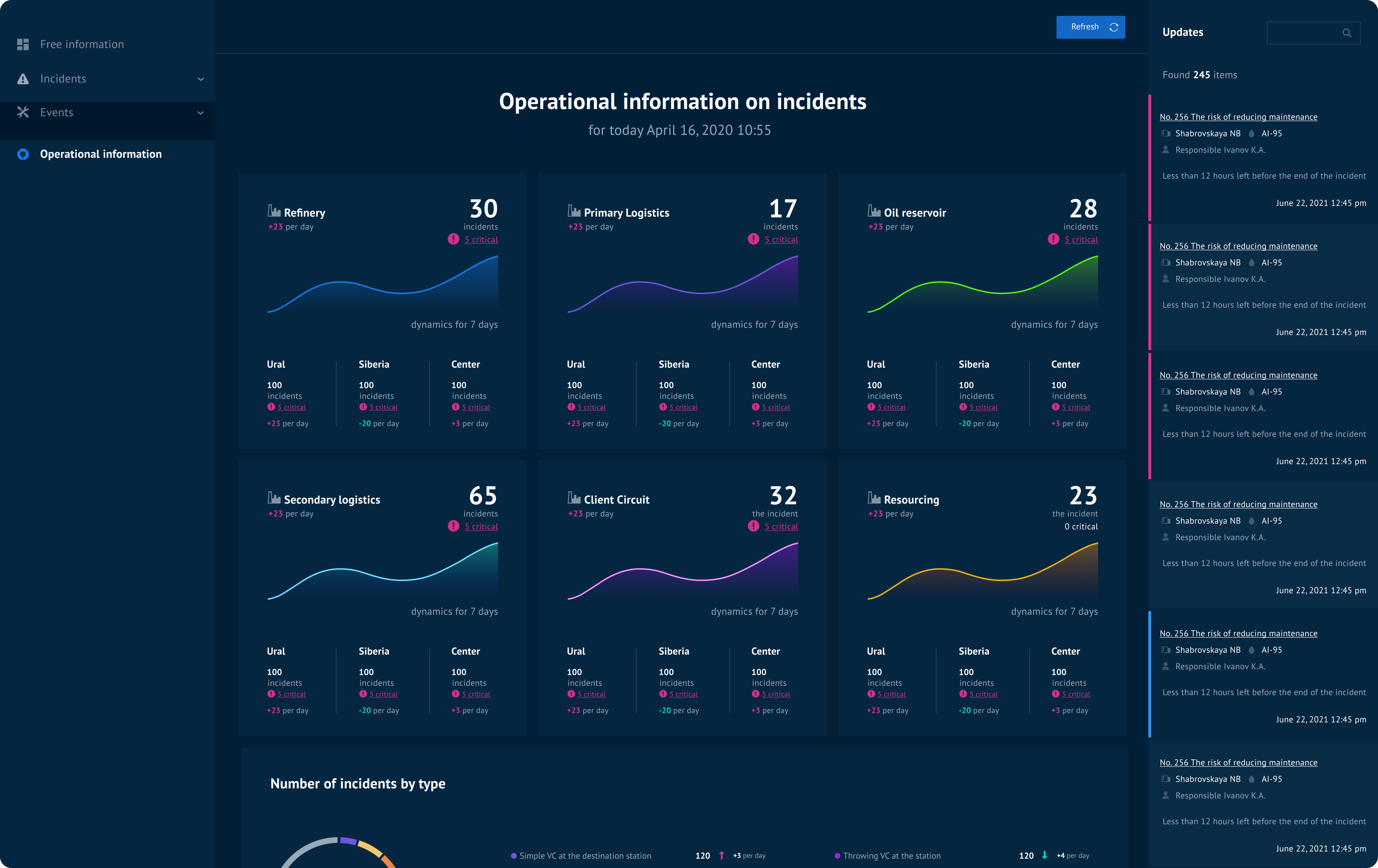
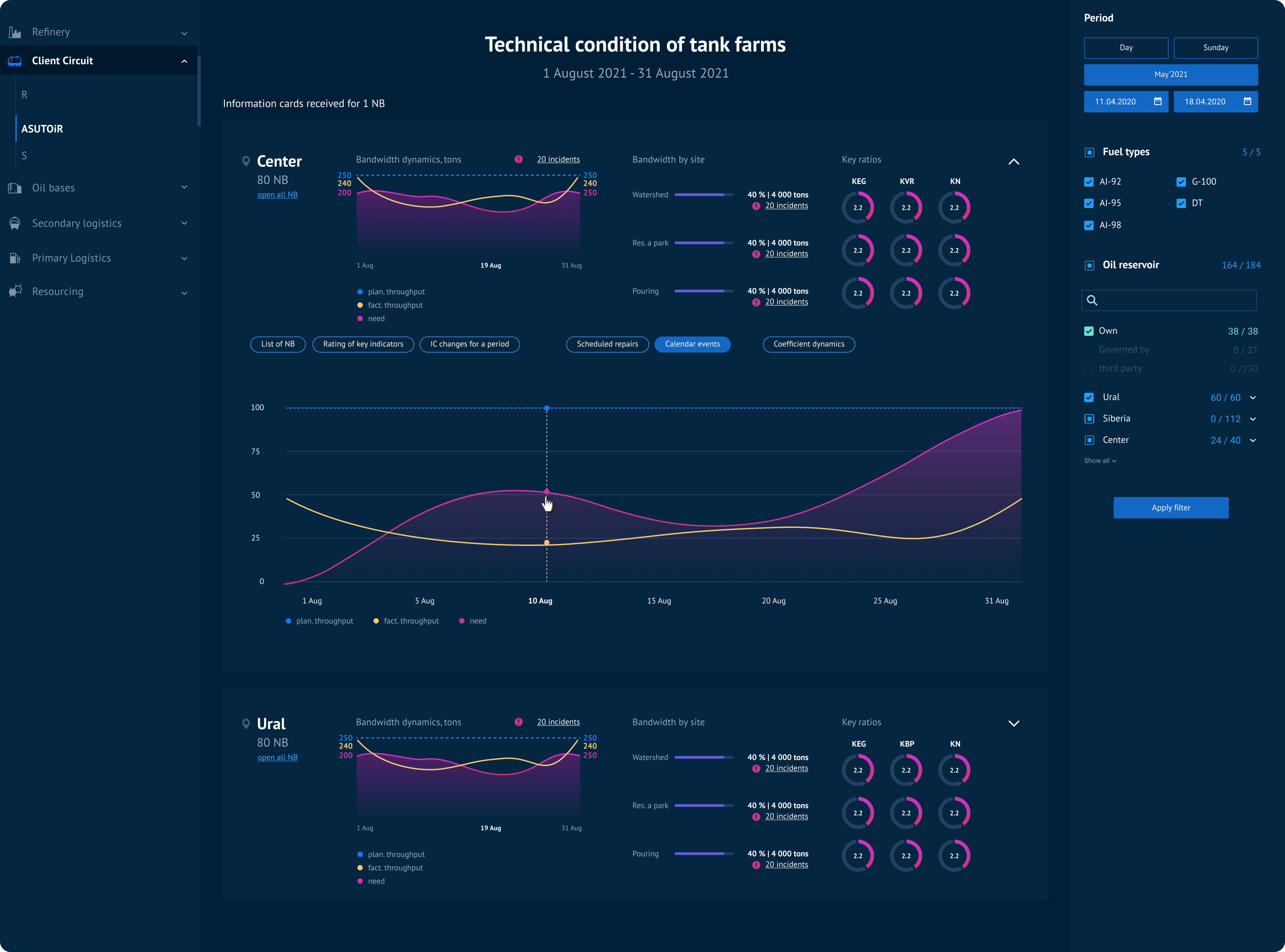
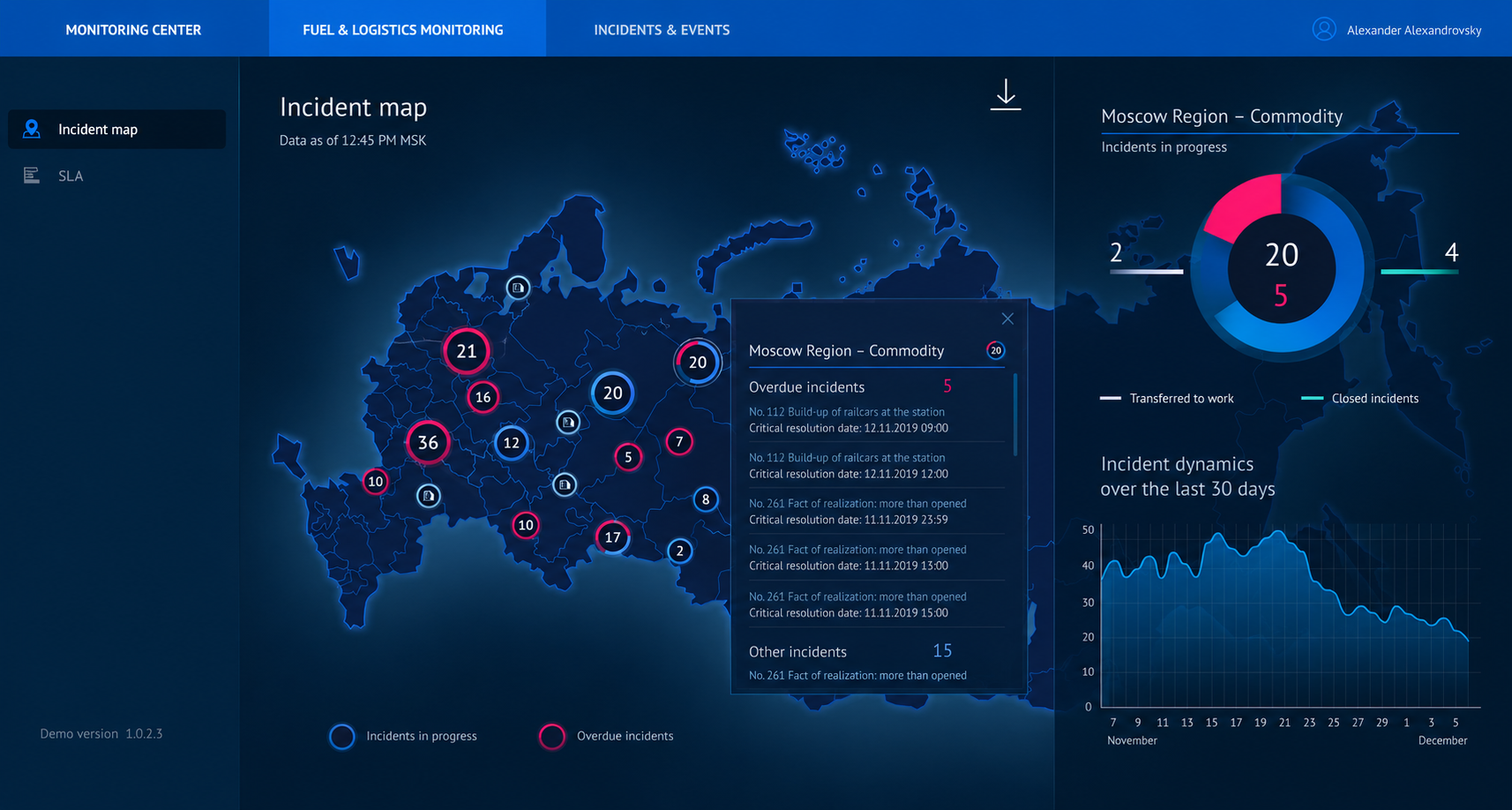
Operators and managers needed a shared view of operational status, risks, delays, and exceptions. I designed dashboards that helped teams understand what was happening across logistics processes without manually combining data from multiple sources — one shared state, available to every role that needed it.

Control tower dashboard

Control tower dashboards gave teams a shared view of logistics status, exceptions, and risks.

Creating role-based interfaces

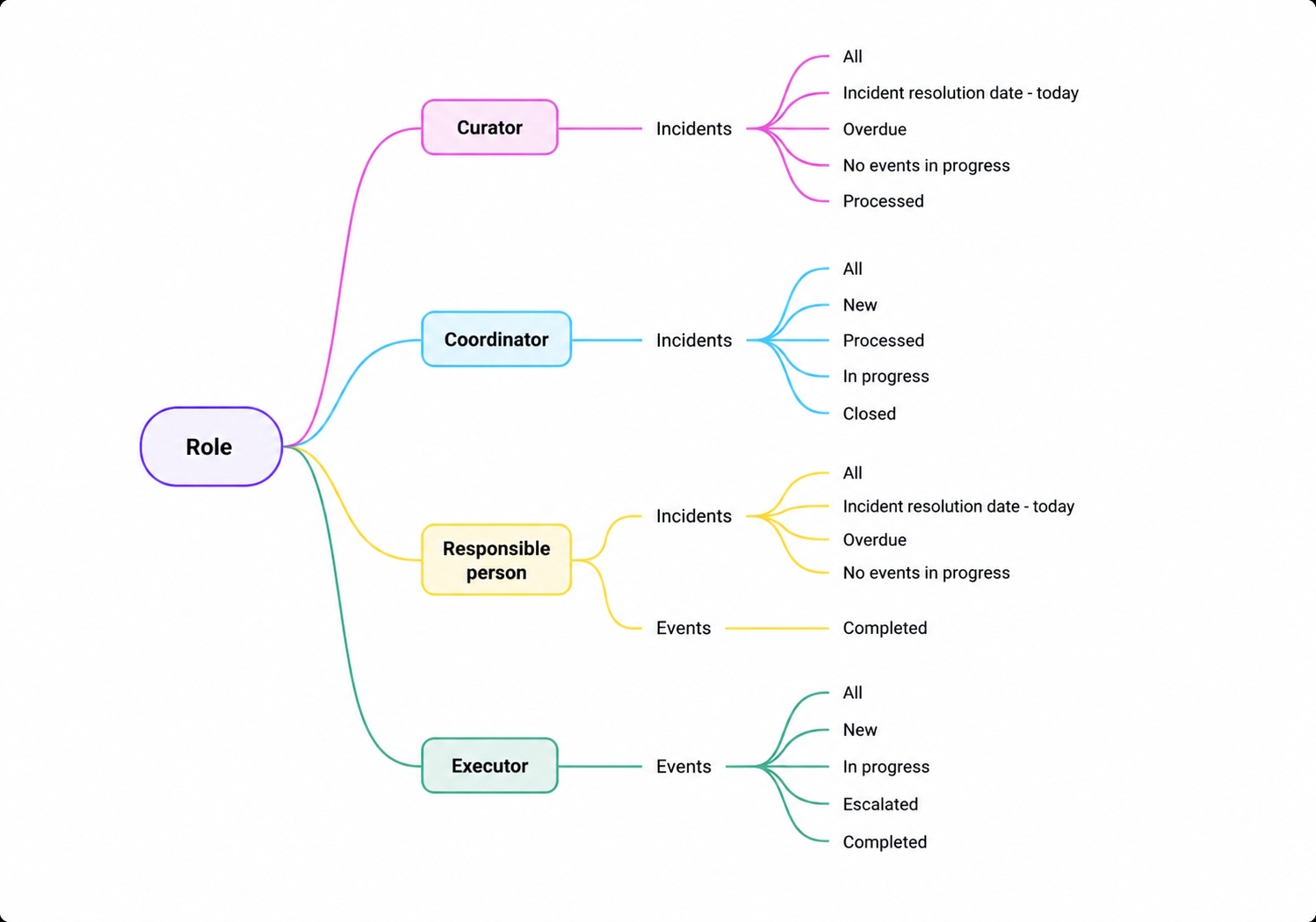
Operators, managers, and executives needed different levels of detail. I designed role-based views so each user group could focus on the decisions and actions relevant to their work, while still relying on the same underlying source of truth. Same data, structured differently by context and responsibility.

Role-based interface design

Role-based views helped different teams work from the same system without being overloaded by irrelevant detail.


Result

A centralized platform for visibility, traceability, and operational control

The final platform brought document workflows, logistics status, operational reporting, and exception monitoring into one structured environment. Instead of relying on fragmented tools and informal coordination, teams could work from a shared system with clearer ownership, status, and next steps.

Reksoft final platform

The platform became a single source of truth for logistics operations, documents, and reporting.


Process

How I worked

01
Understand
Conducted interviews, field observations, and workflow mapping to understand how logistics teams actually coordinated documents, shipments, and operational decisions.
02
Map
Reconstructed document lifecycles, status flows, user roles, manual workarounds, and critical handoffs across fragmented systems.
03
Structure
Designed information architecture, role-based workflows, dashboards, and document tracking patterns to create a single operational model.
04
Deliver
Prepared high-fidelity designs, aligned interaction patterns with the design system, and worked closely with PM, engineering, analysts, and QA during implementation.
05
Validate
Used stakeholder reviews, field feedback, and process comparison to validate improvements in task efficiency, reporting speed, and operational visibility.

Results

Improved visibility, document access,
and operational efficiency

Note: Metrics were reconstructed through stakeholder interviews, field observations, process mapping, and before/after workflow comparison — the product was built from scratch and did not have a digital baseline.

−45%
Report preparation time
Operational reports became faster to generate and easier to validate after moving away from manual data aggregation.
−37%
Operational errors
Structured workflows reduced document mismatches, missing records, and errors caused by manual coordination.
−52%
Time to locate critical documents
Users could find documents and related operational records faster through centralized tracking and clearer status structure.
800+
Active internal users
The platform supported daily work across logistics operators, coordinators, managers, and executives.
−54%
Document retrieval time
A structured document lifecycle reduced time spent searching for the right file, version, or status across the system.
−26%
Time to detect operational issues
Shared dashboards and exception visibility helped teams identify risks and delays earlier in the process.

Reflection

Operational products are designed from real work, not ideal processes

This project showed that digitization is not just turning documents into screens. The hardest part was understanding how logistics work actually happened across people, tools, exceptions, and informal communication. In high-risk enterprise environments, good design reduces operational risk by making status, ownership, and next steps visible. The value of the platform came from turning scattered process knowledge into a shared system teams could trust.